Emergency Dentist Bakersfield CA: Key Warning Signs You Shouldn’t Ignore
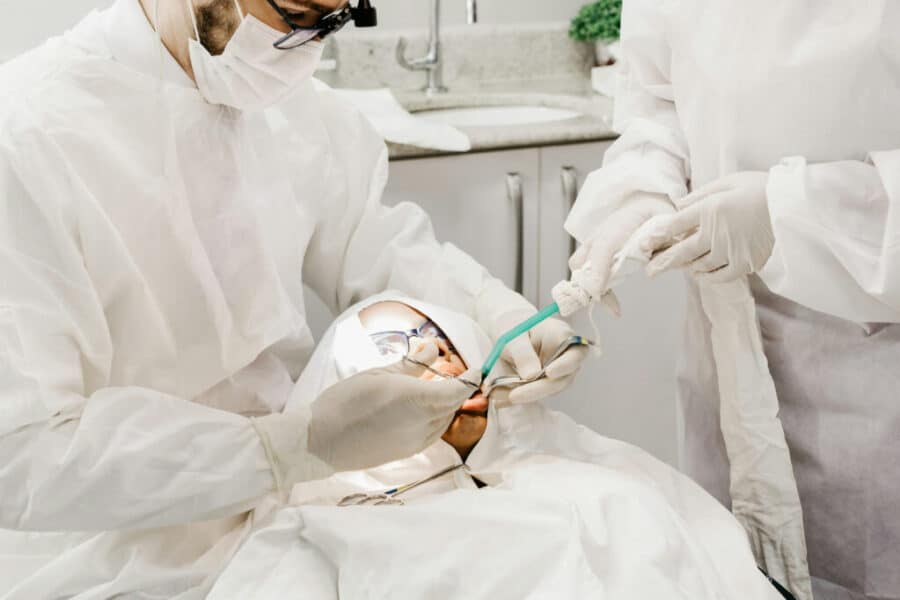
Dental pain has a way of taking over everything. It interrupts sleep, makes it hard to eat, puts people on edge at work, and turns a normal afternoon into a scramble for help. In Bakersfield, where many families balance long workdays, school schedules, and the heat that seems to intensify every discomfort, a true dental emergency can become overwhelming fast. The problem is not only the pain itself. It is the uncertainty. People often wonder whether they should wait until morning, call their regular dentist, head to urgent care, or search for an Emergency Dentist Bakersfield CA right away.
That hesitation is understandable, but it can be costly. Some dental issues are uncomfortable yet safe to monitor for a day or two. Others can worsen by the hour. A cracked molar may start as sensitivity and end with an exposed nerve. A gum swelling can be more than irritation. It may point to an infection that spreads beyond the tooth. A knocked out tooth has a very narrow window for the best chance of saving it. Knowing the difference matters.
The clearest sign that you may need urgent dental care is not always dramatic bleeding or a missing tooth. Often, it is a cluster of clues: pain that throbs in waves, swelling that changes your facial shape, fever with tooth pain, pain when biting down, or a bad taste in the mouth that keeps returning. These are the situations that deserve attention, especially when they appear suddenly or keep intensifying.
When a dental problem becomes an emergency
A good working definition is simple. A dental emergency is a problem involving severe pain, infection, uncontrolled bleeding, trauma, or sudden loss of function that should not wait for a routine appointment. There is room for judgment here. Not every chipped tooth is an emergency. Not every ache means infection. But if symptoms are escalating, waking you from sleep, or affecting your ability to swallow, breathe, speak, or open your mouth normally, that is no longer routine.
Many patients assume they should wait until pain becomes unbearable. In practice, that is often too late. A tooth infection usually starts quietly. It may present as sensitivity to cold, then linger with pressure pain, then spread into the gum or jaw. By the time there is visible swelling in the face, the underlying problem has often progressed significantly. That is why experienced dentists pay close attention to timing, symptom changes, and associated signs such as fever, swollen lymph nodes, or drainage.
In a place like Bakersfield, dehydration can also muddy the picture. Dry mouth increases irritation and can make mild problems feel sharper. Even so, severe pain and swelling should never be dismissed as heat, stress, or dehydration alone.
Warning signs you should not ignore
Some symptoms deserve urgent evaluation because they suggest damage or infection that can progress quickly.
- Persistent, severe tooth pain that does not ease with rest or over the counter pain relief
- Swelling in the gums, jaw, or face, especially if it is getting larger
- A knocked out, loose, or significantly broken tooth after trauma
- Bleeding that does not stop with steady pressure
- Fever, foul taste, pus, or trouble swallowing along with dental pain
Each of these signs carries its own risks. Persistent pain may reflect an inflamed or dying nerve, a cracked tooth, or an abscess under the gumline. Swelling raises concern for infection. Trauma changes the situation completely, because time becomes critical. Bleeding that will not stop may indicate a torn area, a clotting issue, or a post-extraction complication. Fever and drainage suggest infection that may need more than a filling or bite adjustment.
One detail patients sometimes miss is pain on biting. If the tooth feels fine at rest but sends a sharp jolt when chewing, dentists often think about a cracked cusp, root involvement, or infection around the tip of the root. That kind of pain can be easy to minimize because it comes and goes. It should not be ignored.
The pain that keeps people up at night
There is a difference between sensitivity and emergency-level pain. Sensitivity tends to be brief. You drink something cold, feel a quick zing, then it fades. Urgent pain lingers, throbs, and often has a pulse-like quality. It can radiate into the ear, temple, or jaw. Patients frequently describe pacing, using ice packs, or trying to sleep sitting up because lying flat makes the pressure worse.
That last detail is especially common with inflamed dental pulps or abscesses. Increased blood flow and pressure when reclining can make a bad tooth feel intolerable after dark. If someone has not slept because of dental pain, that alone tells you the issue has crossed into a more serious category.
The cause may be deep decay, a cracked filling, a fracture line that reaches the nerve, or a recent crown that altered the bite enough to inflame the ligament around the tooth. The important point is not to diagnose it at home. It is to recognize that severe, sleep-disrupting pain needs timely evaluation.
Swelling is never a casual symptom
A puffy gum around one tooth can be a local problem. Swelling that reaches the cheek, jawline, under the eye, or floor of the mouth is more concerning. Infections in the mouth do not always stay in one place. They can track through soft tissue spaces, and although many remain localized, some spread in ways that affect swallowing and breathing.
Dentists become especially cautious when swelling is firm, warm, rapidly enlarging, or paired with fever. Even if pain seems manageable, visible facial swelling changes the urgency. If a person starts to feel weak, has difficulty opening the mouth, or notices swelling under the tongue or into the neck, that rises beyond a standard dental issue.
A common story is a patient who noticed a tender gum bump on Friday, felt somewhat better Saturday after it drained, then woke Sunday with a swollen cheek. That temporary relief can be misleading. Drainage does not mean the infection is resolved. It means pressure found a path.
Broken, cracked, or knocked out teeth after an accident
Trauma creates a race against time. A broken front tooth may seem cosmetic, but it can expose dentin or pulp, making the tooth vulnerable to pain and infection. A tooth that becomes loose after a hit can indicate damage to the supporting ligament or bone, even when the crown looks mostly intact.
A knocked out permanent tooth is one of the clearest dental emergencies. If handled correctly and treated quickly, it may be possible to place it back successfully. The best outcomes generally happen when care is immediate. Even short delays matter. The tooth should be held by the crown, not the root, and kept moist. Milk is often used when a proper tooth preservation solution is not available. Scrubbing the root is a mistake because it damages the delicate cells that help reattachment.
Baby teeth are different. Reimplanting a knocked out baby tooth is usually not done because of the risk to the developing permanent tooth underneath. This is one of those areas where home assumptions can cause harm, so a prompt call to a dentist matters.
Bleeding that continues past the expected window
Oral tissues bleed easily because the mouth has a rich blood supply. A small amount of bleeding after flossing too aggressively or after a fresh extraction can be normal. Ongoing bleeding that does not slow with firm gauze pressure is not.
Post-extraction bleeding can worsen if a patient spits frequently, uses a straw, smokes, or disturbs the clot. Blood thinners can also complicate the picture. Sometimes what looks like a large volume of blood is saliva mixed with oozing, which appears more dramatic than it is. Even so, if pressure has been applied correctly for a sustained period and the site is still actively bleeding, the problem deserves urgent care.
Cuts to the lips, cheeks, or tongue from sports injuries also need attention, especially if they are deep, gaping, or accompanied by dental trauma. Teeth can act like sharp tools in an accident, creating soft tissue injuries that are easy to underestimate.
Fever, bad taste, and drainage point toward infection
People often expect infection to show up as giant swelling and severe pain. In reality, a dental abscess may begin with a persistent bad taste, a pimple-like bump on the gum, tenderness near one tooth, or mild fever. Some patients notice a foul smell when flossing one area. Others feel pressure in the jaw and think it is a sinus issue until the tooth becomes clearly painful.
When pus is present, the body is signaling an active infection. The same is true of fever in the setting of dental pain. Neither symptom should be brushed aside. Antibiotics may help control the spread of infection in selected cases, but they do not fix the source. If the tooth or surrounding tissue is the origin, definitive treatment is usually still needed, whether that means drainage, root canal therapy, extraction, or another targeted procedure.
This is one reason searching for an Emergency Dentist Bakersfield CA can be the right move rather than waiting for a regular cleaning visit. A time-sensitive infection needs someone who can evaluate the source, not simply advise saltwater rinses over the phone.
Jaw pain is not always just a tooth problem
Not every urgent dental complaint starts in the tooth itself. Sometimes the emergency is related to the jaw joint, the bite, or the surrounding tissue. A jaw that suddenly locks open or closed needs prompt evaluation. So does severe pain after clenching, especially if it follows trauma or comes with changes in the way the teeth fit together.
There is also overlap between https://dantescwy363.trexgame.net/emergency-dentist-bakersfield-ca-your-guide-to-urgent-root-canal-care dental pain and medical pain. Patients occasionally mistake heart-related referred pain for a toothache, particularly when the discomfort seems to radiate into the lower jaw. Sinus pressure can imitate pain in the upper back teeth. A dentist can help sort through those possibilities, but if symptoms include chest pressure, shortness of breath, or other whole-body warning signs, medical emergency care comes first.
That is the hard part about triage. Teeth exist in the mouth, but the mouth does not exist in isolation.
What to do while you are trying to get care
The period between the onset of symptoms and being seen often determines whether a problem stays manageable. Calm, basic first aid helps.
- Rinse gently with warm salt water if the mouth is irritated or there is minor debris
- Use a cold compress on the outside of the face for swelling or trauma
- Take over the counter pain relief as directed, if you normally can take it safely
- Keep a knocked out tooth moist and handle it only by the crown
- Avoid placing aspirin directly on the gum or tooth, which can burn tissue
A few additional judgment calls matter. If a crown falls off but the tooth is not painful, it is urgent but usually not dangerous for a few hours. If the exposed tooth underneath is highly sensitive, that becomes more pressing. If a filling comes out and leaves a rough edge, dental wax from a pharmacy can help protect the tongue temporarily. If biting feels wrong after a recent restoration and pain escalates when chewing, the issue may be a bite adjustment rather than an infection, but it still deserves a timely call before the tooth becomes more inflamed.
Hydration also matters more than many people realize, particularly in Bakersfield’s climate. Dry tissues feel worse, and people in pain often eat and drink less. Sipping water will not solve a dental emergency, but it can reduce some of the secondary misery around it.
Situations that feel urgent, but may be able to wait a short time
Not every dental problem requires same-hour treatment. A small chip with no pain, mild sensitivity that goes away quickly, or a lost filling without swelling may sometimes wait until the next available business-day appointment. The key is stability. If the symptom is not worsening, there is no swelling, no fever, no bleeding, and no recent major trauma, the risk is generally lower.
That said, it is worth calling anyway. Experienced front desk teams and dental assistants are often very good at triage. They know which words signal a same-day need. “My face is swelling,” “I cannot bite down,” “the tooth got knocked out,” and “the pain woke me up all night” will usually move a case up quickly.
Patients sometimes avoid calling because they are not sure the problem is serious enough. That uncertainty is exactly why they should call.
What an emergency dental visit usually involves
Urgent visits are usually more focused than routine appointments. The immediate goal is to identify the source of pain, rule out dangerous infection or trauma, and stabilize the situation. That may involve an exam, one or more X-rays, percussion testing, temperature testing, checking for mobility, and evaluating the gums and bite.
The first visit does not always complete the entire treatment plan. Sometimes the dentist’s priority is relief and control. A tooth may need to be opened to release pressure, a swelling may need drainage, a fractured edge may need smoothing, or medication may be prescribed when appropriate. In other cases, treatment can be completed on the spot, such as a re-cemented crown, a simple extraction, or temporary coverage of an exposed area.
This is important for expectations. Emergency care is not always one and done. A patient might leave feeling much better but still need a return visit for a root canal, crown, or definitive restoration. Relief first, long-term repair second, is a very common sequence.
Why waiting often makes treatment more complicated
People delay for understandable reasons: cost concerns, work schedules, fear, previous bad experiences, and the hope that the pain will pass. Sometimes it does pass, but not because the problem improved. A tooth nerve can die, temporarily reducing pain while the infection continues quietly. That false calm is one of the more deceptive patterns in dentistry.
Delay often turns a simpler, less invasive fix into a more complex one. A small crack can propagate. A cavity that might have needed a filling can progress to root canal treatment or extraction. A manageable localized infection can become facial swelling. From both a comfort and cost standpoint, earlier intervention is usually kinder.
Fear deserves special mention here. Patients with dental anxiety often wait the longest, then present with the biggest emergencies. In my experience, they are also the ones who most appreciate straightforward communication and a calm, nonjudgmental team. A good urgent dental visit does not need to feel chaotic. The best ones are efficient, clear, and surprisingly reassuring.
Choosing the right help in Bakersfield
When searching for an Emergency Dentist Bakersfield CA, practical details matter. Office hours matter. Same-day availability matters. Experience with trauma, extractions, infections, and temporary stabilization matters. So does clarity over the phone. A strong emergency practice will ask when the pain started, whether there is swelling, whether trauma occurred, whether fever is present, and whether the patient is bleeding or having trouble swallowing.
If symptoms include spreading swelling, breathing difficulty, significant facial asymmetry, or inability to swallow normally, the safest destination may be a hospital emergency department rather than a dental office. Dentists manage many urgent problems, but airway-related issues belong in a medical emergency setting first.
For everything else, a capable emergency dental team can often make an immediate difference. They may not solve the entire case in one hour, but they can stop the spiral, reduce pain, and prevent a bad situation from becoming worse.
The value of acting early
Most people do not think about emergency dentistry until they need it. By then, they are hurting, tired, and trying to make decisions quickly. The better approach is to treat certain signs as non-negotiable: significant swelling, severe persistent pain, trauma, ongoing bleeding, fever, drainage, or trouble using the mouth normally. Those are not symptoms to monitor casually for several days.
A dental emergency rarely improves through willpower. It improves because the source is found and treated. If you are in Bakersfield and one of these warning signs shows up, trust the signal your body is giving you. The fastest path back to normal is often the simplest one: get the problem evaluated before it has time to grow into something harder to fix.
Smyle Dental Bakersfield
2016 E St, Bakersfield, CA 93301, United States
+16614939040
FAQ About Emergency Dentist Bakersfield CA
What counts as a dental emergency?
Severe tooth pain, facial swelling, uncontrolled bleeding, a knocked-out or displaced tooth, and significant dental trauma may need prompt assessment. Trouble breathing or rapidly increasing swelling requires urgent medical help.
What should I do if a permanent tooth is knocked out?
Handle the tooth by the crown rather than the root, keep it moist, and contact a dentist immediately. Fast treatment can improve the chance of saving the tooth.
Can an emergency dentist treat severe tooth pain the same day?
Same-day care may be available depending on the cause and schedule. The dentist will examine the area, may take digital X-rays, and recommend treatment based on the diagnosis.
Should I go to the emergency room for dental swelling?
Seek urgent medical care for trouble breathing, difficulty swallowing, rapidly spreading facial swelling, or other severe symptoms. A dentist can assess the underlying dental cause and provide appropriate follow-up care.