Emergency Dentist Bakersfield CA for On-the-Job Dental Injuries

A dental injury at work has a way of stopping the day cold. One minute someone is unloading material, tightening hardware, climbing down from a truck, or moving between stations on a warehouse floor. The next, there is blood in the mouth, a cracked front tooth, swelling in the lip, or pain that seems to radiate into the jaw and ear. These injuries look small from across the room, yet they can turn serious quickly. A broken tooth can expose the nerve. A displaced tooth can affect the bite. A cut inside the mouth may bleed more than expected because oral tissue is highly vascular.
That is where an Emergency Dentist Bakersfield CA becomes more than a search phrase. In a real workplace injury, timing matters. Fast care can reduce pain, improve the chance of saving a tooth, and help prevent a manageable accident from becoming a longer and more expensive medical problem. Bakersfield workers often spend long hours in physically demanding environments, including agriculture, construction, logistics, manufacturing, and field service work. In those settings, dental trauma is not rare. Falling tools, shifting loads, slips, elbow strikes, metal edges, vehicle incidents, and simple bad luck can all end with a chipped, loosened, or knocked-out tooth.
The practical question is not whether to take a dental injury seriously. It is how to respond in the first hour, who to call, and what kind of treatment is likely to follow.
Why job-site dental injuries are different
A routine toothache and a work-related dental injury may both hurt, but they demand different thinking. Trauma changes the equation. A person may have damage to the teeth, gums, lips, jaw joint, or facial bones at the same time. Adrenaline also obscures symptoms. I have seen people insist they are fine while holding a paper towel to a bleeding mouth, only to discover later that a front tooth is fractured below the gumline.
Workplace injuries also involve logistics that ordinary dental problems do not. A supervisor may need documentation. The injured worker may need to decide whether to go straight to an emergency dentist, an urgent care center, or a hospital emergency room. Transportation becomes part of the picture if the person is dizzy, in shock, or unable to drive safely. If the injury happened after hours, finding a dental office equipped to handle acute trauma can be the hardest part.
Another difference is contamination. On a job site, a tooth or mouth wound may come into contact with dirt, grease, metal particles, packaging debris, or agricultural residue. That raises the stakes. Even a small laceration can become more complicated when the injury occurred in a dusty or dirty environment.
The first hour matters more than most people realize
When a worker suffers dental trauma, the first sixty minutes often shape the outcome. A cracked filling can wait a bit. A knocked-out permanent tooth should not. A tooth that is pushed out of position needs prompt evaluation, even if pain is not severe. A lip laceration may need sutures. A tooth with visible pink or red tissue inside the break likely has nerve exposure and generally should be treated quickly.
The right immediate response is usually simple and calm. Control bleeding with clean gauze or cloth and gentle pressure. If there is swelling, a cold compress on the outside of the face helps. If a permanent tooth has been knocked out, handling it by the crown rather than the root is important. If it is dirty, a brief rinse with clean water is reasonable, but scrubbing it is not. The goal is to protect the delicate root surface, not make it spotless.
There is also an important judgment call. If the injured person lost consciousness, has severe jaw pain, cannot close properly, has difficulty breathing or swallowing, or there is concern for facial fracture or head injury, a hospital setting is more appropriate than a dental office. Dental emergencies and medical emergencies https://milohbit084.opalvector.com/posts/what-qualifies-as-a-dental-emergency-in-bakersfield-ca overlap sometimes, and good care starts with choosing the right door.
Injuries an emergency dentist sees after workplace accidents
On-the-job dental trauma does not always look dramatic. Some cases are obvious, such as a tooth lying on concrete or a front tooth broken in half. Others are subtler. A worker gets bumped in the mouth by equipment, says they are okay, then notices by evening that one tooth feels high when biting down. That can signal a tooth that has been bruised, cracked, or partially displaced.
Common work-related dental injuries include the following:
- Chipped or fractured teeth, ranging from minor enamel breaks to deep fractures involving the nerve
- Teeth that are loosened, pushed sideways, or driven deeper into the socket
- Knocked-out permanent teeth, where time-sensitive reimplantation may be possible
- Soft tissue injuries to the lips, cheeks, tongue, and gums
- Jaw soreness, bite changes, or suspected fractures after a blow to the face
Each of these injuries has its own treatment path. A small chip might be smoothed or bonded. A deeper fracture might need a protective restoration, root canal treatment, or extraction if the damage extends too far below the gumline. A tooth that has shifted position may need to be gently repositioned and stabilized. Soft tissue wounds sometimes need cleaning and closure. Pain alone does not tell the whole story. Some badly injured teeth hurt little at first, while others with modest damage can throb intensely.
What an emergency dentist actually does when you arrive
People often picture emergency dental care as a quick pain shot and a temporary fix. Sometimes it is that simple, but not usually after job-site trauma. A proper visit starts with a focused history of what happened, when it happened, whether there was loss of consciousness, and whether the injured person has jaw pain, numbness, or changes in how the teeth fit together.
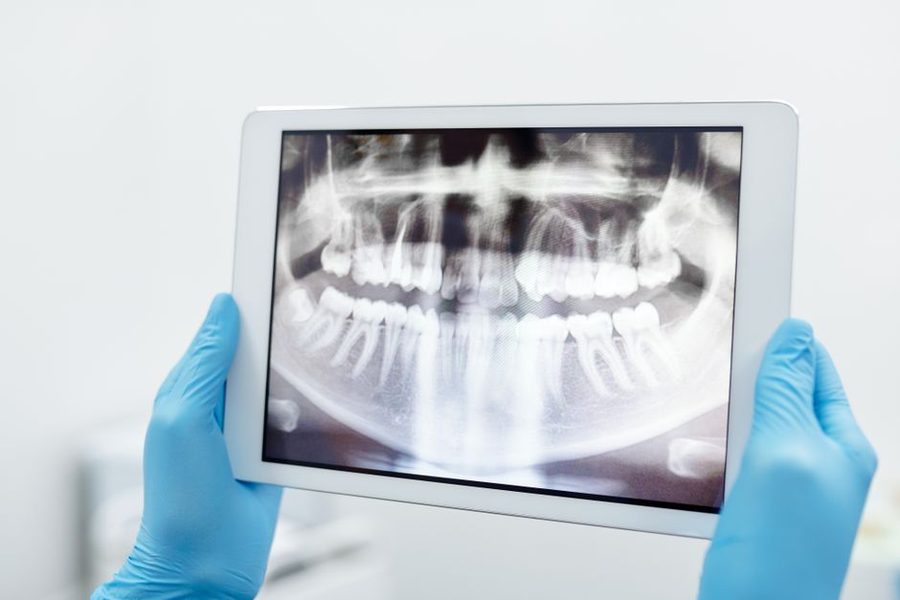
The clinical exam matters because trauma rarely stays confined to the one tooth the patient notices first. The dentist will usually assess tooth mobility, percussion tenderness, gum injury, bite alignment, and nearby structures. Dental X-rays help reveal root fractures, displacement, damage around the socket, and hidden breaks that are not obvious in the mirror. In some cases, especially where jaw fracture is a concern, referral for medical imaging may be the prudent next step.
Treatment depends on what the exam shows. The immediate goal is to stabilize the situation. That may mean stopping bleeding, cleaning debris from wounds, reducing infection risk, temporarily protecting exposed dentin or nerve tissue, smoothing sharp edges, repositioning teeth, or placing a splint to support an injured tooth during healing. Pain control is important, but pain control alone is not treatment. The best emergency dentists think two steps ahead, addressing what must be done today while planning what needs reevaluation over the next days and weeks.
That follow-up is not a minor detail. Traumatized teeth can change over time. A tooth that seems stable on day one may discolor later, fail a vitality test, or develop persistent sensitivity. A patient may need repeated examinations to determine whether the tooth will recover or eventually require root canal therapy, a crown, or replacement.
When saving the tooth is realistic, and when it is not
One of the hardest parts of emergency dental care is explaining uncertainty. Family members and supervisors want clear answers immediately. Can the tooth be saved or not? Sometimes the answer is yes. Sometimes it is no. Often the honest answer is that it depends on the type of injury, how long treatment was delayed, whether the root is intact, and whether the supporting bone and gum tissue remain healthy enough to support healing.
A knocked-out permanent tooth has the best chance when it is handled carefully and seen quickly. A tooth broken across the crown may do well if the fracture is limited and the root is sound. A tooth cracked vertically into the root usually carries a poorer outlook. Teeth driven deeply into the socket or displaced significantly can sometimes be managed, but the long-term picture is less predictable.
There are trade-offs in treatment, too. Trying to save a badly injured tooth may involve multiple appointments, endodontic treatment, and later restorative work. Extracting and replacing it can sometimes be more predictable, but replacement itself carries cost, time, and healing considerations. The right choice depends on age, position of the tooth, job demands, budget, and the structural reality of the injury. A front tooth in a younger worker presents a different decision than a severely fractured molar in someone with an already compromised bite.
Bakersfield work environments create specific dental risks
In Bakersfield, it is not unusual to see injuries tied to hard physical work and long shifts. Agricultural settings expose workers to falls, impacts from tools or crates, and dust contamination. Warehouses and logistics centers create risk from moving inventory, pallet mishaps, and hurried loading conditions. Construction and field service jobs bring ladders, metal hardware, flying debris, and close-quarter tool use. Vehicle-based work adds another layer, especially when a worker strikes the steering wheel, dashboard, or mounted equipment during a sudden stop or collision.
These are not abstract categories. They affect what the dentist expects to find. A clean sports injury and a dirty industrial injury are not equivalent. A chipped tooth from biting down wrong is different from a blow involving facial bruising and possible jaw trauma. Understanding the work setting helps the dentist ask smarter questions, decide whether debris could be embedded in soft tissue, and judge whether a medical referral is warranted.
The environment also affects timing. Bakersfield workers may be injured far from home, on a route, at an outlying site, or near the end of a long shift. Delayed presentation is common. Someone tries to finish the day, assuming the tooth can wait, then wakes up with severe throbbing, a swollen cheek, or a tooth that has darkened. That delay does not always prevent successful treatment, but it can reduce options.
A practical checklist for the injured worker or supervisor
The moments after a workplace dental injury can feel disorganized. A short checklist helps keep the response useful rather than frantic.
- Check for red flags first, including loss of consciousness, trouble breathing, severe jaw dysfunction, or uncontrolled bleeding
- Control bleeding with gentle pressure and use a cold compress outside the mouth for swelling
- If a permanent tooth is knocked out, protect it carefully and seek dental care fast
- Call an emergency dental office and explain that the injury happened at work, with details about the accident and symptoms
- Document the time, location, and mechanism of injury while the facts are fresh
That last point matters more than many workers expect. Precise documentation helps everyone later, including the treating office, the employer, and any insurance or workplace reporting process. “Hit in the mouth by a metal bar at 2:15 p.m., lower lip split, upper front tooth loose” is more useful than “mouth injury at work.”
The workers’ compensation angle, without the confusion
Dental injuries at work can involve workers’ compensation, but the process is not always intuitive. Some people assume dental care is automatically separate from job-site injury coverage. Others assume any oral injury will be handled smoothly if they mention it to a supervisor. Reality falls somewhere in between.
The dentist’s role is treatment and documentation, not legal interpretation. Still, a well-run emergency dental office will understand the importance of noting the mechanism of injury, symptoms, exam findings, X-rays, and immediate treatment rendered. That record can be valuable. For the worker, the sensible move is to report the injury promptly according to employer policy and keep copies of any paperwork, visit summaries, and imaging records if available.
Delays create problems. If someone waits several days to report a broken tooth from work, the story becomes harder to reconstruct, especially if there were no witnesses. It is better to overreport a genuine injury than to minimize it and later scramble for records after pain and swelling worsen.
Pain control is important, but diagnosis comes first
A lot of people judge dental urgency by pain alone, and that is a mistake. Some badly traumatized teeth go numb at first because the nerve supply has been damaged. Other injuries produce severe pain from exposed dentin or a bruised periodontal ligament even when the tooth can be stabilized successfully. The emergency dentist’s first job is to figure out what kind of injury occurred, not simply how much it hurts.
That distinction matters in treatment. Numbing the area can make a person comfortable, but it does not reposition a displaced tooth, clean a contaminated wound, or diagnose a root fracture. Temporary filling material may cover an exposed area, yet the tooth could still need follow-up vitality testing. Antibiotics may be considered in certain trauma cases, particularly with soft tissue contamination or avulsion management, but they are not a substitute for mechanical treatment of the injury itself.
This is also why over-the-counter pain relief can be helpful while arranging care, but it should not be used to “test” whether the problem is serious. If a worker cannot bite normally, sees a crack line, notices a tooth has changed position, or has oral bleeding after trauma, the problem deserves professional evaluation regardless of whether medication dulls the pain.
What to bring, and what to tell the dental office
An emergency visit goes more smoothly when the office gets clear information upfront. A receptionist or clinical coordinator can often prepare the team better if they know this is a work-related trauma case rather than a standard toothache.
Bring or be ready to provide these details:
- The time and cause of the injury
- Current symptoms, including bleeding, swelling, looseness, or bite changes
- Any knocked-out or broken tooth fragment, stored safely if possible
- Relevant medical history, medications, and allergy information
- Employer or claim information if workplace reporting has already started
A surprisingly common problem is underreporting the mechanism. Saying “I chipped a tooth” leaves out whether the injury involved a fall, facial blow, contamination, or possible head trauma. Those details can change treatment priorities.
What happens after the emergency visit
Patients often feel relieved once the immediate crisis is handled, but trauma care usually unfolds in phases. The first phase is stabilization. The second is healing assessment. The third, when necessary, is definitive restoration.
A bonded edge on a front tooth may later need a more durable cosmetic restoration. A tooth that was repositioned and splinted may require reevaluation after the splint comes off. A bruised tooth can darken weeks later and signal internal damage. Teeth with severe impact injury sometimes develop delayed complications even when the initial appointment went well.
This is where experienced judgment matters. Not every injured tooth should be crowned right away. Not every cracked tooth should be extracted. Sometimes watchful follow-up is the correct choice. Other times delaying definitive treatment leads to avoidable loss of structure. Good emergency care does not overpromise on day one. It sets expectations clearly, explains warning signs, and brings the patient back at sensible intervals.
Prevention on the job is less glamorous, but it works
No worker wants a lecture about prevention while sitting with a swollen lip and a fractured tooth. Fair enough. Yet most employers and crews can reduce dental injuries with a few practical habits. Face shields and helmets matter in certain settings, but smaller decisions count too. Securing loads properly, avoiding rushed carrying techniques, replacing damaged tool guards, keeping walking surfaces clear, and wearing custom or appropriate protective gear when indicated all reduce oral trauma risk.
There is also a culture issue. Workers are often praised for toughness, which can backfire after facial injuries. The person who says “I’m fine” and returns to the line with a loose tooth may cost themselves that tooth by delaying care. Supervisors who treat oral injuries as minor because they are not life-threatening miss the fact that prompt attention can prevent infection, long-term pain, speech issues, bite changes, and substantial restorative costs.
Choosing the right emergency dentist in Bakersfield
Not every dental office handles trauma with the same comfort level. For work-related injuries, it helps to find an office that can evaluate acute pain promptly, take diagnostic imaging, manage soft tissue and tooth trauma, and coordinate follow-up without treating the event like a routine sensitivity complaint.
When calling an Emergency Dentist Bakersfield CA, the useful questions are practical. Can they see traumatic injuries the same day? Do they manage knocked-out or displaced teeth? Can they assess whether a hospital referral is needed if the jaw may be involved? Are they prepared to document findings clearly? An office that regularly handles emergencies tends to sound organized from the first phone call. They ask direct questions, give immediate instructions, and do not minimize symptoms that suggest significant trauma.
Convenience matters, but capability matters more. Driving across town with a child’s sports injury is one thing. With an adult worker who may have a jaw injury, oral contamination, or a displaced tooth, the ideal office is the one that can make good clinical decisions quickly.
The real cost of waiting
People delay emergency dental care for predictable reasons. They do not want to leave the job site short-staffed. They assume a chipped tooth is cosmetic. They worry about paperwork, time, or cost. Those concerns are understandable, but delay can be expensive in every sense of the word.
A tooth that might have been bonded may later need a crown. A tooth that might have been stabilized may become non-restorable. A contaminated laceration may swell and become more painful overnight. A worker who could have been back on modified duty the next day may instead lose sleep, miss additional shifts, and face a longer treatment plan. Even from a strictly practical standpoint, fast care often saves money and lost time.
The better approach is simple. Treat a work-related mouth injury as urgent until a professional says otherwise. If the injury involves a broken, loosened, displaced, or knocked-out tooth, active bleeding, visible soft tissue damage, or a bite that suddenly feels wrong, seek prompt evaluation. An experienced emergency dentist can sort minor from serious, relieve pain, document the injury properly, and give the worker the best chance at keeping both function and appearance intact.
For anyone searching in a hurry after a job-site accident, an Emergency Dentist Bakersfield CA is not just a convenience. It is often the difference between a temporary setback and a long dental recovery.
Smyle Dental Bakersfield
2016 E St, Bakersfield, CA 93301, United States
+16614939040
FAQ About Emergency Dentist Bakersfield CA
What counts as a dental emergency?
Severe tooth pain, facial swelling, uncontrolled bleeding, a knocked-out or displaced tooth, and significant dental trauma may need prompt assessment. Trouble breathing or rapidly increasing swelling requires urgent medical help.
What should I do if a permanent tooth is knocked out?
Handle the tooth by the crown rather than the root, keep it moist, and contact a dentist immediately. Fast treatment can improve the chance of saving the tooth.
Can an emergency dentist treat severe tooth pain the same day?
Same-day care may be available depending on the cause and schedule. The dentist will examine the area, may take digital X-rays, and recommend treatment based on the diagnosis.
Should I go to the emergency room for dental swelling?
Seek urgent medical care for trouble breathing, difficulty swallowing, rapidly spreading facial swelling, or other severe symptoms. A dentist can assess the underlying dental cause and provide appropriate follow-up care.